Handdrawn Brush Strokes: Unleash Creative Energy
In a digital landscape saturated with sterile, geometric precision, there is a powerful counter-movement that champions authenticity and human touch. The Handdrawn Brush Strokes font style represents more than just a typographic trend; it is a vital tool for designers seeking to inject warmth, energy, and an organic feel into their visual communication. Perfectly imperfect and full of personality, this typeface bridges the gap between professional polish and raw, artistic expression.The Power of the Organic Aesthetic
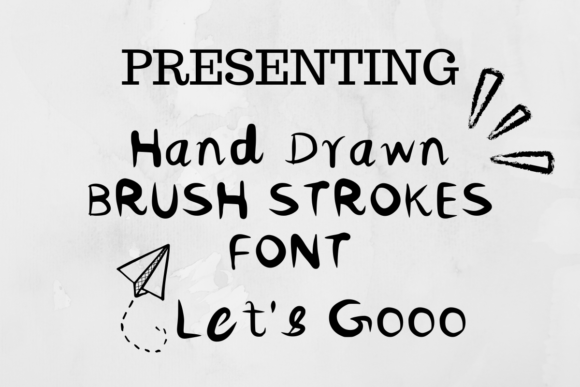
Modern graphic design often struggles to connect with audiences on an emotional level when it relies too heavily on rigid structures. This is where the Handdrawn Brush Strokes font shines. By mimicking the natural variations of a real brush, it creates a sense of movement and vitality that static fonts cannot replicate. The bold uppercase letters command attention, while the flowing lowercase characters maintain readability and rhythm. This versatility makes it an essential asset in any designer's toolkit, particularly for projects that require a playful, human-centric vibe.
Strategic Applications for Modern Design
Understanding how to deploy this style effectively is key to maximizing its impact. The versatility of a handwritten font allows it to adapt to various mediums, ensuring your brand identity remains cohesive yet dynamic. It is particularly effective in environments where you need to cut through the noise and establish an immediate connection with the viewer.
- Brand Identity and Logo Design: For businesses aiming to appear approachable, artisanal, or creative, this font style serves as the cornerstone of a memorable logo. It signals authenticity, making it perfect for lifestyle brands, cafes, or creative agencies.
- Digital Marketing and Social Media: In the fast-paced world of digital marketing, stopping the scroll is essential. Handdrawn typography adds visual weight and intrigue to social media graphics, headers, and call-to-action buttons, significantly improving engagement rates.
- Packaging and Editorial Design: Whether applied to physical packaging or digital editorial layouts, brush strokes add a layer of tactile quality. It enhances the perceived value of a product by suggesting that care and craftsmanship went into the design process.
Integrating Typography into Your Design Workflow
While the aesthetic appeal of Handdrawn Brush Strokes is undeniable, successful implementation requires a thoughtful approach to visual hierarchy and composition. To maintain a professional presentation, consider these practical guidelines:
- Balance with Clean Elements: Because brush strokes are inherently detailed, pair them with clean sans-serif fonts for body text. This contrast ensures that your message remains legible while the headers retain their artistic flair.
- Color Palette Selection: These fonts often look best against textured backgrounds or within earthy, vibrant color palettes. Avoid overly busy backgrounds that might compete with the intricate details of the letterforms.
- Scalability and Usability: Always test your typography at various sizes. While bold brush strokes work beautifully for large headings and posters, ensure that the specific weight and style you choose are legible when scaled down for web design or UI elements.
Elevating Creative Projects with Quality Assets
Ultimately, the goal of any design project is to solve a visual problem and communicate an idea effectively. Incorporating high-quality creative assets like this font streamlines the design workflow, allowing you to focus on the broader narrative of the project rather than getting bogged down in technical limitations. Whether you are designing a pitch deck, creating merchandise, or building a website, the right typography acts as a silent ambassador for the brand.
By choosing a resource that embodies the imperfect beauty of hand-drawn art, you are not just selecting a font—you are adopting a design philosophy that values connection over perfection. It proves that in the realm of modern aesthetics, the human touch remains the most powerful tool of all.