Lime Green: Vibrant Energy in Modern Design
In the dynamic world of graphic design, the right color can instantly capture attention and convey a specific mood. Lime green, with its vibrant and energetic hue, has become a powerful tool for designers seeking to inject a sense of freshness, innovation, and playful sophistication into their work. This bold color choice moves beyond mere decoration; it strategically influences perception, enhances brand identity, and creates memorable visual experiences across countless applications.
The Strategic Role of Lime Green in Visual Communication
Color is a fundamental element of visual hierarchy and brand psychology. Lime green, positioned between yellow and green on the spectrum, inherits qualities of both: the optimism and clarity of yellow combined with the natural, growth-oriented symbolism of green. This makes it exceptionally versatile. In branding, it can signal a company that is forward-thinking, energetic, and perhaps environmentally conscious. In UI design, it is frequently used for call-to-action buttons, success notifications, or progress indicators, as it naturally draws the eye without the alarm of red. Its high visibility makes it ideal for digital marketing graphics and social media content where standing out in a crowded feed is crucial.
Practical Applications Across Creative Projects
The utility of this vibrant shade extends far beyond a simple background color. Its impact is magnified when applied thoughtfully across various design assets and projects:
- Brand Identity & Logo Design: A lime green logo can position a brand as modern, dynamic, and approachable. It works particularly well for tech startups, wellness brands, youth-oriented products, and any service wanting to project an image of growth and vitality.
- Marketing & Advertising: In digital ads, posters, and email campaigns, lime green acts as an accent color that boosts engagement. It can highlight key information, special offers, or interactive elements, improving click-through rates.
- Packaging Design: On shelves, lime green packaging demands attention. It suggests product freshness (think organic foods, beverages, or natural cosmetics) and can differentiate a product from competitors using more traditional color palettes.
- Editorial & Web Design: Used for pull quotes, links, or infographic elements, it breaks up text-heavy layouts and guides the reader's eye, enhancing the overall user experience and readability.
Integrating Lime Green Effectively: Tips for Designers
While powerful, lime green must be used with intention to maintain professionalism and achieve the desired effect. Consider these factors for seamless integration into your design workflow:
1. Balance and Contrast: Lime green is a high-energy color. Pair it with neutral tones like charcoal gray, crisp white, or deep navy to ground the design and ensure text remains highly readable. Using it as an accent within a more subdued color palette often yields the most sophisticated results.
2. Audience and Context: Always evaluate your target audience's expectations. While perfect for a youthful tech app, it might require a more muted or pastel variant for a luxury financial service. Understanding cultural associations is also key for global brands.
3. Consistency Across Platforms: Ensure the specific shade of lime green you choose is consistent across all touchpoints—from your website's hex code to printed materials and social media templates. This consistency is vital for building strong brand recognition.
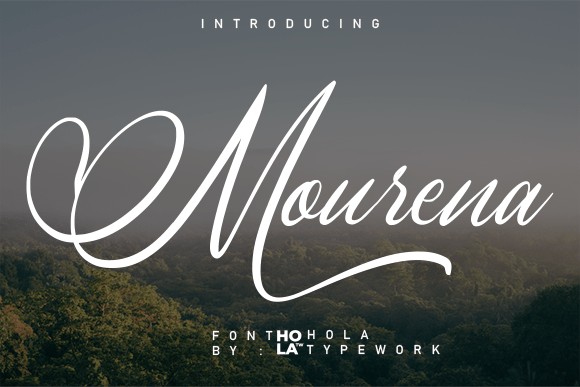
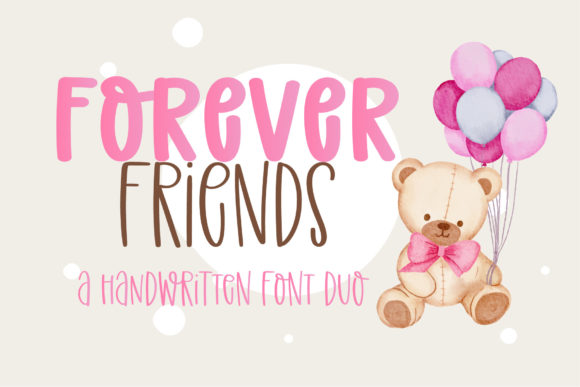
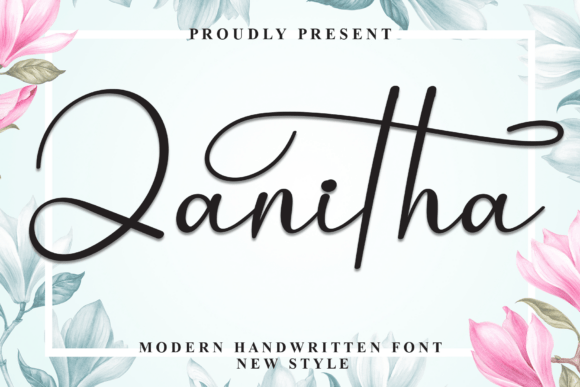
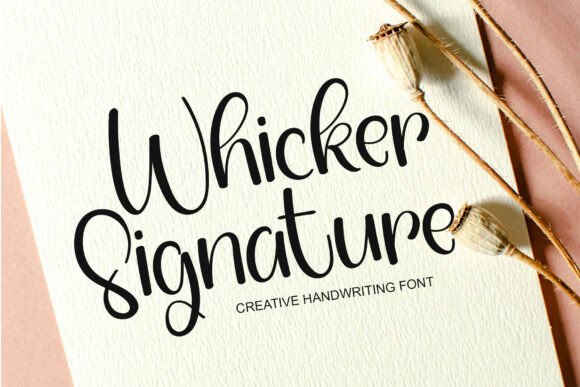
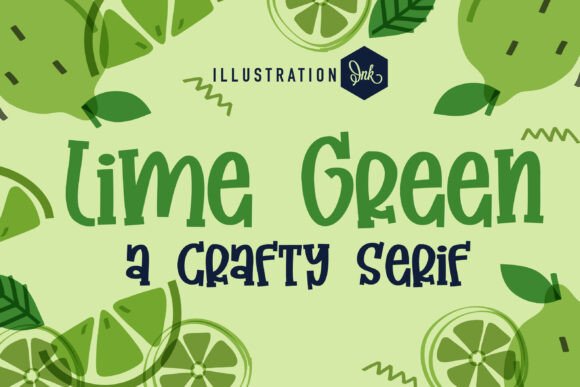
4. Typography Pairing: The right font can amplify the effect. A clean, modern sans-serif typeface can complement its contemporary feel, while a hand-crafted font with whimsical slab serifs can add a unique, artisanal quality, especially for creative projects or boutique branding. The interplay between color and typography defines the final aesthetic.
Ultimately, incorporating a dynamic element like lime green is a statement of creative confidence. It demonstrates an understanding of current design trends and a commitment to creating work that is both visually striking and functionally effective. By selecting high-quality creative assets and applying them with strategic intent, designers and business owners can elevate their projects, strengthen communication, and build a visual identity that truly resonates in a competitive landscape.