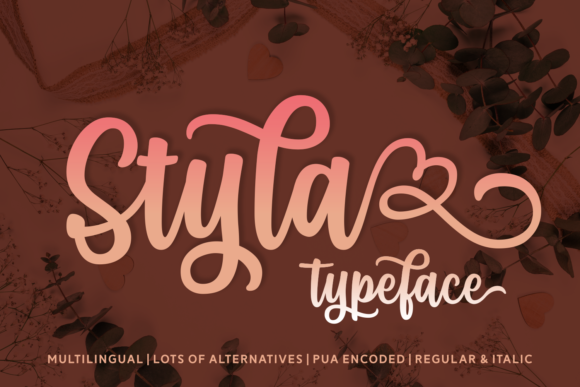
Styla: The Bold Handwritten Font for Urban Design
In the crowded landscape of digital communication, finding a typeface that captures authentic energy is crucial for standing out. Enter Styla, a fun and bold handwritten font with a unique urban spin that instantly injects personality into any creative project. In modern graphic design, typography is not merely about legibility; it is a primary tool for visual storytelling. Styla bridges the gap between casual graffiti aesthetics and professional design requirements, offering a solution for creatives who need to convey confidence and flair without sacrificing clarity.
For designers and marketers, the challenge often lies in creating an emotional connection with the audience. Standard serif and sans-serif fonts are essential for body text, but they often lack the distinctiveness required for high-impact headers and branding elements. Styla addresses this by providing a textured, hand-drawn feel that suggests human craftsmanship. This organic quality is vital in an era dominated by AI-generated content and rigid digital interfaces. By incorporating Styla into a design workflow, creators can restore a sense of authenticity and warmth to their visual communication.
Practical Applications Across Creative Industries
The versatility of a bold handwritten font like Styla makes it a valuable creative asset across various mediums. Its urban spin allows it to adapt to different contexts, from edgy streetwear branding to playful children’s products. Understanding where to deploy this typeface is key to maximizing its visual impact.
- Branding and Logo Design: Styla is perfect for brands aiming for a youthful, energetic, or artisanal identity. It works exceptionally well for logo design in the food and beverage, fashion, and entertainment sectors, where personality drives brand loyalty.
- Social Media and Digital Marketing: In the fast-paced world of social media graphics, stopping the scroll is paramount. Styla’s bold strokes and unique character make it ideal for Instagram stories, YouTube thumbnails, and advertising campaigns that require immediate attention.
- Packaging and Print Design: On physical products, typography must communicate shelf appeal. Using Styla for packaging design can differentiate a product from competitors, suggesting a handmade or limited-edition quality that attracts consumers.
- Web and UI Design: While not suitable for long-form body copy, Styla can elevate web design when used for hero section headers or call-to-action buttons, guiding the user’s eye effectively.
Strategic Typography and Visual Hierarchy
While Styla offers immense creative freedom, successful implementation requires a strategic approach to visual hierarchy. A common pitfall in design is using expressive fonts too liberally, which can lead to visual clutter and reduced readability. To maintain a professional presentation, Styla should be paired with a clean, neutral typeface for secondary information. This contrast creates a balanced composition, allowing the handwritten font to shine without overwhelming the viewer.
Furthermore, color palette integration is essential. Styla’s urban aesthetic pairs well with high-contrast colors or gritty, muted textures. When evaluating this font for a project, consider the target audience’s expectations. For a younger demographic, vibrant gradients and dynamic layouts work well; for a more sophisticated market, using Styla against a minimalist background can create a striking, modern aesthetic.
Optimizing Your Design Workflow
Integrating new assets into a design workflow should streamline the creative process, not hinder it. Styla is designed with usability in mind, ensuring that designers can quickly mock up concepts for presentations or editorial layouts. When selecting typography for a project, always test the font in context. Create mood boards to see how Styla interacts with your chosen imagery and color palette. This practice ensures that the typeface supports the overall narrative of the design rather than acting as a distraction.
Ultimately, the quality of your creative assets dictates the effectiveness of your visual design. Typography is the voice of your design, and choosing a distinct option like Styla can significantly enhance how your message is received. By thoughtfully applying this bold handwritten font, designers and business owners can transform standard layouts into memorable visual experiences that resonate with their audience and elevate their brand identity.