Soft Spoken: Elevating Design with Graceful Typography
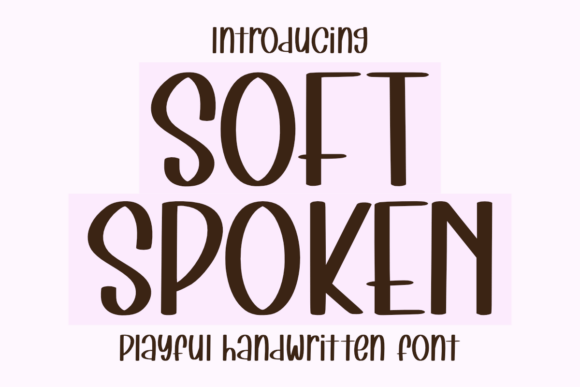
In a visual landscape crowded with bold, attention-grabbing fonts, there's a growing appreciation for typefaces that communicate with subtlety and warmth. The Soft Spoken font is a graceful and rounded handwritten typeface that blends charm with clarity. With its gentle curves and extended forms, it’s an ideal choice for projects requiring a soft, welcoming touch. This typeface represents a shift in graphic design toward more human-centric, approachable aesthetics, offering designers a powerful tool to create emotional resonance.
Understanding the Role of Soft Spoken in Visual Communication
Typography is a cornerstone of brand identity. The choice of font communicates personality, values, and tone before a single word is read. Soft Spoken excels in conveying friendliness, authenticity, and care. Its rounded letterforms and handwritten style avoid the coldness of rigid geometric fonts, making it perfect for brands aiming to build trust and connection. In modern design, where user experience and emotional engagement are paramount, this typeface helps bridge the gap between a brand and its audience, enhancing overall communication and visual hierarchy.
Practical Applications Across Creative Projects
The versatility of Soft Spoken allows it to shine in numerous applications. Its inherent legibility and charm make it a valuable creative asset for both digital and print design.
- Branding and Logo Design: It crafts logos and brand marks for lifestyle, wellness, artisanal, or boutique businesses that want to appear approachable and genuine.
- Marketing Materials: From brochures to email headers, it adds a personal, handwritten quality that makes direct marketing feel less intrusive and more conversational.
- Social Media Graphics: Its clarity at various sizes ensures quotes, calls-to-action, and stories are easily readable while maintaining a consistent, friendly aesthetic that boosts engagement.
- Packaging and Editorial Design: On product labels or in magazine layouts, it draws the eye gently, highlighting key information or creating inviting pull-quotes without overwhelming other design elements.
- Web and UI Design: Used judiciously for headings, buttons, or accent text, it can soften a digital interface, improving the user experience by making interactions feel more human and less mechanical.
Integrating Soft Spoken into Your Design Workflow
Successfully incorporating a font like Soft Spoken requires strategic thinking. It’s rarely a solution for body text in long-form content but is exceptionally effective as an accent or headline font. To maximize its impact:
- Pair Wisely: Combine it with a clean, neutral sans-serif or serif font for body copy to ensure readability and create a balanced visual hierarchy. The contrast between the expressive headline and the functional body text guides the reader’s eye effectively.
- Consider Your Color Palette: Its softness pairs beautifully with muted, pastel, or earthy color palettes. It can also provide a lovely contrast to a bold, monochromatic scheme, adding a layer of sophistication.
- Test for Scalability: Always preview the font at different sizes to ensure its delicate curves remain clear, especially for digital applications like responsive web design or small-scale print design.
- Align with Brand Goals: Evaluate if its personality aligns with your target audience and core message. It’s ideal for brands focused on wellness, creativity, craftsmanship, or personal service.
Ultimately, the strength of any design project lies in the thoughtful selection and combination of its elements. Choosing a typeface like Soft Spoken