Mantra: The Stylish Monoline Script for Modern Design
In a world saturated with visual noise, finding a typeface that balances elegance with approachability is a design game-changer. Mantra, a stylish monoline script font, offers exactly that—a harmonious blend of smooth, flowing lines and connected letterforms that evoke a handwritten feel. Its inherent readability and modern aesthetic make it a versatile asset for designers seeking to inject personality and sophistication into their projects. Whether you're crafting a brand identity, designing marketing collateral, or curating social media content, understanding how to leverage a font like Mantra can significantly elevate your visual communication.
Understanding Mantra's Design DNA
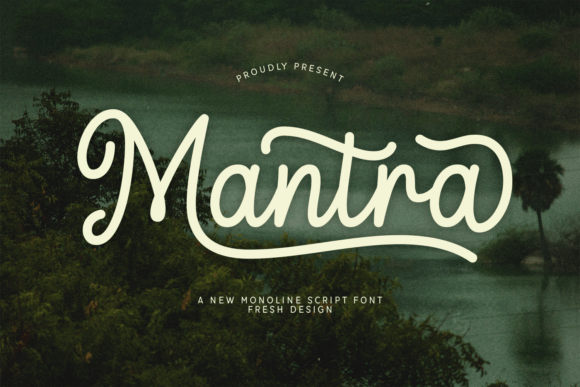
At its core, Mantra is a monoline script, meaning its strokes maintain a consistent weight throughout, contributing to its clean and contemporary look. The connected letters create a natural, fluid rhythm that mimics authentic handwriting, yet its careful construction ensures legibility even at smaller sizes. This duality is key to its appeal: it feels personal and human, yet remains polished and professional. For graphic designers, this makes Mantra an excellent tool for projects that require a touch of warmth without sacrificing clarity, bridging the gap between casual and refined.
Practical Applications Across Creative Projects
The true value of a typeface lies in its application. Mantra's versatile nature allows it to shine across a multitude of design contexts, enhancing both aesthetics and function.
- Branding and Logo Design: Mantra can form the cornerstone of a brand's visual identity, especially for businesses aiming for a modern, approachable, or artisanal image. Its script style conveys creativity and authenticity, making it ideal for logos in the beauty, lifestyle, boutique retail, or creative service industries.
- Marketing Materials & Social Media Graphics: From digital ads and email headers to Instagram stories and Pinterest pins, Mantra adds a dynamic, eye-catching element. Its flowing nature guides the viewer's eye, making it perfect for headlines, quotes, or calls-to-action where you want to evoke emotion and engagement.
- Web and UI Design: Used strategically, Mantra can enhance user experience. It works beautifully for hero section headlines, feature labels, or accent text in UI design, providing a contrast to cleaner sans-serif body copy and establishing a clear visual hierarchy.
- Editorial and Print Design: In invitations, greeting cards, magazine layouts, or book covers, Mantra brings an editorial elegance. It can highlight pull quotes, chapter titles, or decorative elements, adding a layer of tactile sophistication to print design.
- Packaging and Merchandise: For product packaging, labels, or branded merchandise, Mantra helps create a memorable unboxing experience. Its script style can suggest craftsmanship and care, influencing consumer perception at the point of sale.
Integrating Mantra into Your Design Workflow
Adopting any new creative asset requires thoughtful integration. To use Mantra effectively, consider these practical guidelines:
- Prioritize Readability: While beautiful, script fonts are best used for short bursts of text—headlines, subheads, or accents. Avoid setting long paragraphs in Mantra, as readability can suffer. Pair it with a clean, neutral sans-serif or serif for body copy to maintain balance.
- Establish Visual Hierarchy: Use Mantra to draw attention to key information. Its distinct style naturally creates a focal point, helping to structure your layout and guide the viewer's journey through the content.
- Ensure Scalability: Test the font at various sizes to ensure it remains legible across different mediums, from a tiny favicon to a large billboard. The monoline quality generally aids scalability, but always check in context.
- Maintain Brand Consistency: If incorporating Mantra into a brand system, define its specific use cases. Document when and where it should be used to ensure consistency across all touchpoints, from digital marketing to print design.
- Consider Audience and Context: Align the font's personality with your audience's expectations and the project's goals. Mantra's modern, personal touch resonates well with demographics that value creativity, individuality, and contemporary design trends.
Ultimately, the power of a typeface like Mantra lies in its ability to communicate beyond words. It sets a tone, builds emotional connection, and reinforces a brand's character. By thoughtfully selecting and applying such typography, designers and creators can transform ordinary projects into compelling visual narratives. Investing in high-quality, versatile design assets is not merely an aesthetic choice; it's a strategic decision that enhances communication, strengthens brand identity, and elevates the overall quality of any creative endeavor. In the dynamic landscape of digital and print design, tools that offer both beauty and function are invaluable for making a lasting impression.